‘Tour de France: Unchained’ Will Turn You into a Cycling Fan
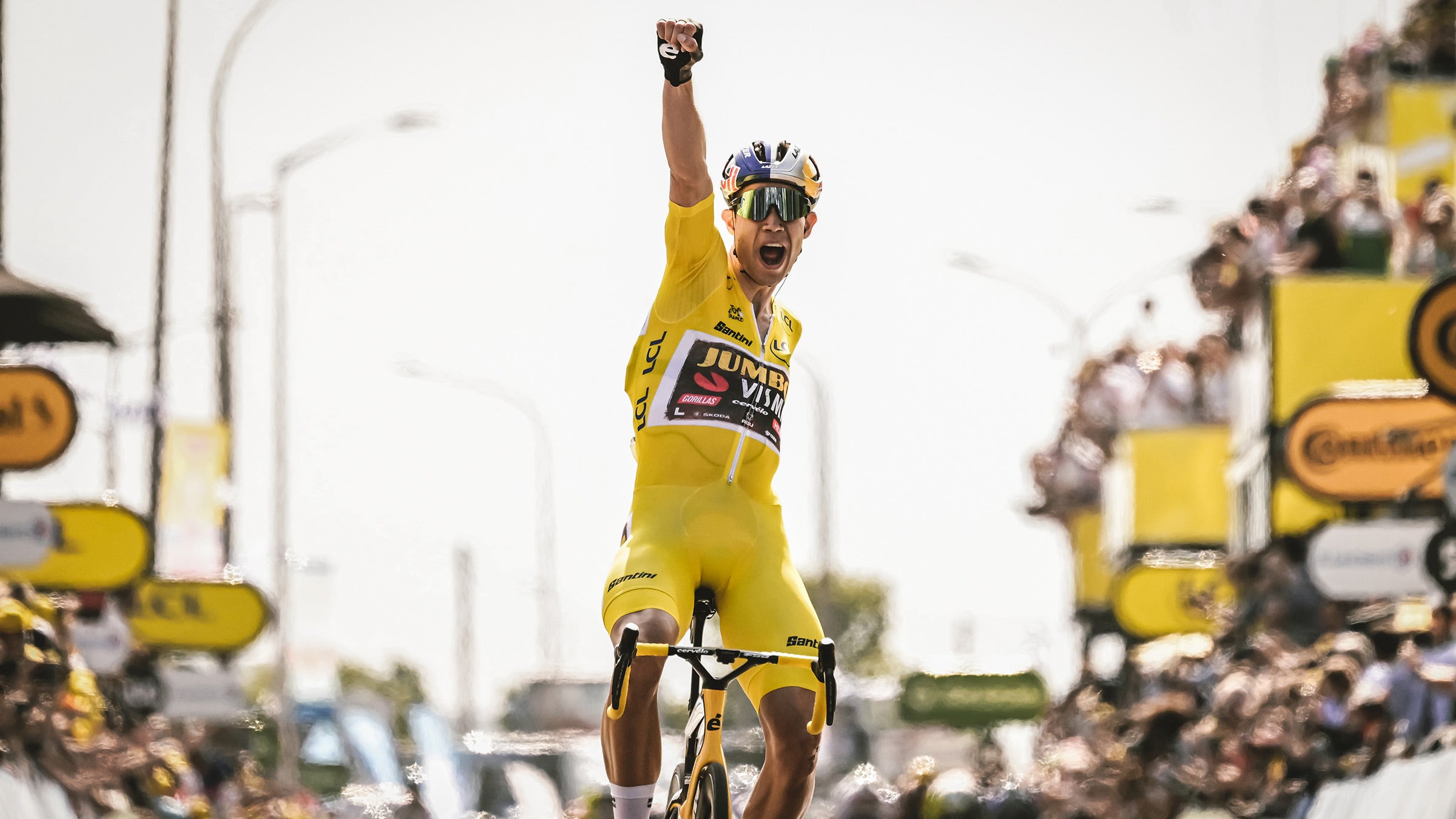
Tour de France: Unchained begins airing on June 8(Photo: A.S.O./Pauline Ballet)
It’s been two decades sinceroad cyclinggrabbed the collective attention of mainstream America, and those of us who pedaled a bike during theLance Armstrong eraremember our sport’s bizarre dalliance with Jane and John Q. Public. Cyclistsgraced the covers of glossy magazines. Hollywood A-listersdropped by the Tour de France. Dave from accounting bought a shiny Trek and started using words like “peloton” and “echelon” in meetings. Yeah, stuff got weird.
We all know what happened next:Lance’s dopingconfession zapped cycling’s growing popularity just as it was nearing a critical mass. After the dust settled, many fans—myself included—assumed road cycling would fade back into niche-sport anonymity for good, never again to be packaged and sold to a broad U.S. audience.
🌀 Eddy
“Perhaps it is a bit pedological for the hardcore fans,” Le Bourbouach told me. “But I would love for people to see that a victory at the Tour de France occurs because of the work of many.”
You canread my interview with Le Bourbouach here.
So, why isUnchainedso effective at reaching casual viewers? LikeDrive to Survive, Unchainedblends human-interest narratives with inside-the-game access that brings the athletes and competition to life. Each episode focuses on a different collection of riders, coaches, and directors at the race, and then explores a familiar hero’s tale of adversity, setback, and ultimate triumph. The first episode charts the improbable comeback of Team Soudal—Quick Step’s Dutch sprinterFabio Jakobsen, who starts the 2022 Tour just 22 months after he was nearly killed in a crash at the Tour of Poland. Another episode discusses French cycling’s repeated heartbreak (a French rider hasn’t won the Tour since 1985) by profiling two Frenchmen: Groupama-FDJ’s star-crossed racerThibaut Pinotand AG2R-Citröen’s fanatical director Julien Jurdie. Lots of credit goes toUnchained’sproducers for choosing the correct riders and directors to train their cameras on before and during the Tour: Danish riderJonas Vingegaard, the race’s ultimate winner, is the focal point of another episode.
These human stories suck audiences in with humor, personality, and heart-tugging anecdotes of personal loss and struggle. Sprinkled amongst these tales is the explainer stuff to help casual viewers understand bike racing’s more enigmatic nuances, like drafting, teamwork, and how a rider actually wins the Tour. Rather than bash viewers over the head with clumsy diagrams and oratories on strategy,Unchainedpresents this information subtly and with care. In episode one, retired French rider Steve Chainel delivers the basics, and after that, it’s up to the viewer to pick things up as the series goes along. Want to know about teamwork? A sentence here and a line of dialogue there will tell you what you need to know. Sneeze, and you might miss it.
I foundUnchained’sinterpretation of cycling to be a welcomed salve to the goofy visuals and confusing explainers that pop up each year in the Tour’s American telecast. Diagrams may help casual fans to better understand the sport, but rarely do they entice total newbies to follow it. By weaving this information into the human narratives,Unchainedincepts bike fandom into the brains of anyone who cares to see whether or not Jakobsen will overcome the demons from his horrific crash. It is the perfect entry point for a regular person to learn about bike racing and the Tour.
This type of sports storytelling is not new, of course, andUnchained,Drive to Survive,and Netflix’s other sports documentaries are simply carrying on the tradition of legendary producersRoone ArledgeandDick Ebersol, architects of the modern Olympics telecast. But many of us who grew up watching NBC’s primetime Olympics coverage long ago tired of the cheesy and formulaic human-interest schtick that producers cram between the competitions. The storytelling inUnchainedis far more ambitious than the Olympics stuff. It’s raw at times. When a character cries, the audience has enough backstory to understand the weight of the moment. You can tell that the producers and camera people spent ample time with the athletes and team directors to cultivate their trust. Cameras are rolling when things go right, and when shit hits the fan.
🔥À demain. 9h. 👋@NetflixFRpic.twitter.com/CSiiKthHqc
The series isn’t perfect, and there are several characters who elude the cameras. Two-time defending champion Tadej Pogačar is a bit player in the series, despite his gravitas in the sport. AndUnchainedis solely a story about the men’s Tour—there are no storylines around the women’s race. Le Bourbouach discussed bothabsences in our interview.
Of course, whetherUnchainedgrows cycling’s fanbase will likely depend more on Netflix’s recommendation algorithm than on the quality of the storytelling. That said, I am cautiously optimistic. I will endorse the series to those coworkers, family members, and fellow shoppers at Trader Joe’s in my life who have not yet caught the bike bug, and I cannot wait for my brother-in-law to refer to his daily commute as a “parcourse.”Unchainedhas all of potential to suck them in, tell them a good story or two, and sent them out into the world ready to go bonkers for the Tour de France.